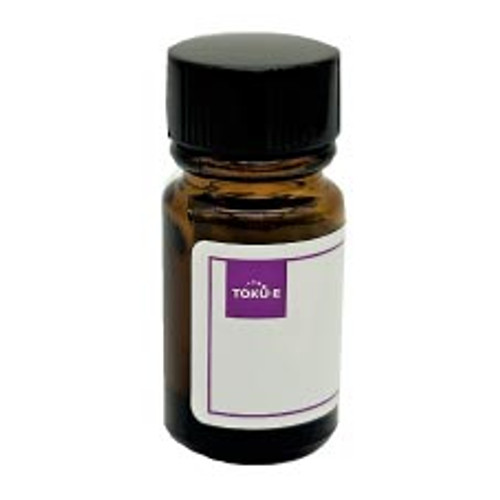


Cefsulodin Sodium is the sodium salt of Cefsulodin, a third-generation cephalosporin antibiotic. The compound has been optimized via industrial HPLC to remove significant quantities of 7-aminocephalosporanic acid (7-ACA), a key impurity in Cefsulodin synthesis that can cause instability. The result is a product with improved purity, potency, and stability.
Cefsulodin is also used in Coronavirus research. In silico screening of 2421 approved small molecules and molecular dynamics simulations at Coventry University has revealed that Cefsulodin can bind to the SARS-CoV-2 S glycoprotein receptor binding domain (RBD).
| Mechanism of Action | Like β-lactams, cephalosporins interfere with PBP (penicillin binding protein) activity involved in the final phase of peptidoglycan synthesis. PBP’s are enzymes which catalyze a pentaglycine crosslink between alanine and lysine residues providing additional strength to the cell wall. Without a pentaglycine crosslink, the integrity of the cell wall is severely compromised and ultimately leads to cell lysis and death. Resistance to cephalosporins is commonly due to cells containing plasmid encoded β-lactamases. |
| Spectrum | Cefsulodin Sodium has a very limited spectrum, specifically targeting Pseudomonas aeruginosa. However, it has activity against isolates of S. aureus, S. epidermidis, S. pneumoniae, and S. pyogenes. |
| Microbiology Applications | Cefsulodin Sodium is commonly used in clinical in vitro microbiological antimicrobial susceptibility tests (panels, discs, and MIC strips) primarily against Pseudomonas aeruginosa. Medical microbiologists use AST results to recommend antibiotic treatment options.
One avenue of SARS-CoV-2 research involves disrupting the entrance of the coronavirus into host cells. Researchers at Coventry University found that Cefsulodin can bind to the SARS-CoV-2 S glycoprotein receptor binding domain (RBD) in silico. The S glycoprotein gives the coronavirus SARS-CoV-2 it's 'crown' phenotype by forming prominent structures on the virion envelope. The spike protein mediates the first interactions with the host cell and drives virulence and induces immune responses. The S glycoprotein has 2 subunits (S1 and S2). S1 comprises the receptor -binding domain (RBD) for the antiotensin-converting enzyme 2 (ACE2). S2 drives the fusion along with the human antiotensin-converting enzyme (ACE2). Media SupplementsCefsulodin can be used as a selective agent in several types of isolation media: Yersinia Selective Agar - Yersinia Selective Supplement Columbia Blood Agar - Helicobacter pylori Selective Supplement (Dent) mTSB - VCC Selective Supplement Salmonella Chromogenic Agar - Salmonella Selective Supplement |
| Molecular Formula | C22H19N4NaO8S2 |
| Impurity Profile |
LD50 in mice (mg/kg): >4000 i.p.; >15000 orally (Bryskier). |
| Potency (on dried basis) |
≥864 ug/mg |
| References |
Cefsulodin Sodium (TOKU-E) was used to study the mechanisms of resistance in Cefsulodin-resistant Pseudomonas aeruginosa in: "CpxR activates MexAB-OprM efflux pump expression and enhances antibiotic resistance in both laboratory and clinical nalB-type isolates of Pseudomonas aeruginosa." Read more. Geganutti G, Prischi F and Reynolds CA (2020) Supervised molecular dynamics for exploring the druggability of the SARS-CoV-2 spike protein. Research Square. DOI 10.21203/rs.3.rs-64722/v1. Read more. Georgopapadakou NH (1992) Mechanisms of action of cephalosporin 3'-quinolone esters, carbamates, and tertiary amines in Escherichia coli. Antimicrob. Agents Chemother. 37(3):559-565 |
| MIC | Enterobacteriaceae| 64 - >512 || Escherichia coli| 2 - 32|| Helicobacter pylori| 5.12 - 41|| Pseudomonas acidovorans| 512|| Pseudomonas aeruginosa| 1 - 256|| Pseudomonas cepacia| 32 - >128|| Pseudomonas diminuta| 16 - 128|| Pseudomonas flourescens| 256 - ≤512|| Pseudomonas maltophilia| 8 - 32|| Pseudomonas paucimobilis| 16 - 128|| Pseudomonas pseudoalcaligenes| 16 - 128|| Pseudomonas putida| 128 - 256|| Pseudomonas putrefaciens| 16 - 128|| Pseudomonas stutzeri| 16 - 128|| |